
Attraction
Laodicea Ancient City
Laodicea, a vast ancient city 15 minutes from Pamukkale and one of the Seven Churches of Revelation: what to see, the biblical link, and how to visit.
Kaklık Cave near Pamukkale, the 'underground Pamukkale,' with white travertine terraces and warm thermal pools inside a cave: what to see and how to visit.
Last updated:If Pamukkale is a white mountainside above ground, Kaklık Cave is the same idea in miniature, underground. About 40 minutes east of Pamukkale, near the town of Kaklık, this small cave holds its own white travertine terraces and shallow thermal pools, built by mineral-rich water in exactly the way Pamukkale’s slope was. That resemblance earns it the nickname ‘the underground Pamukkale’. Google Maps reviewers rate it 4.5 out of 5 (300 reviews).
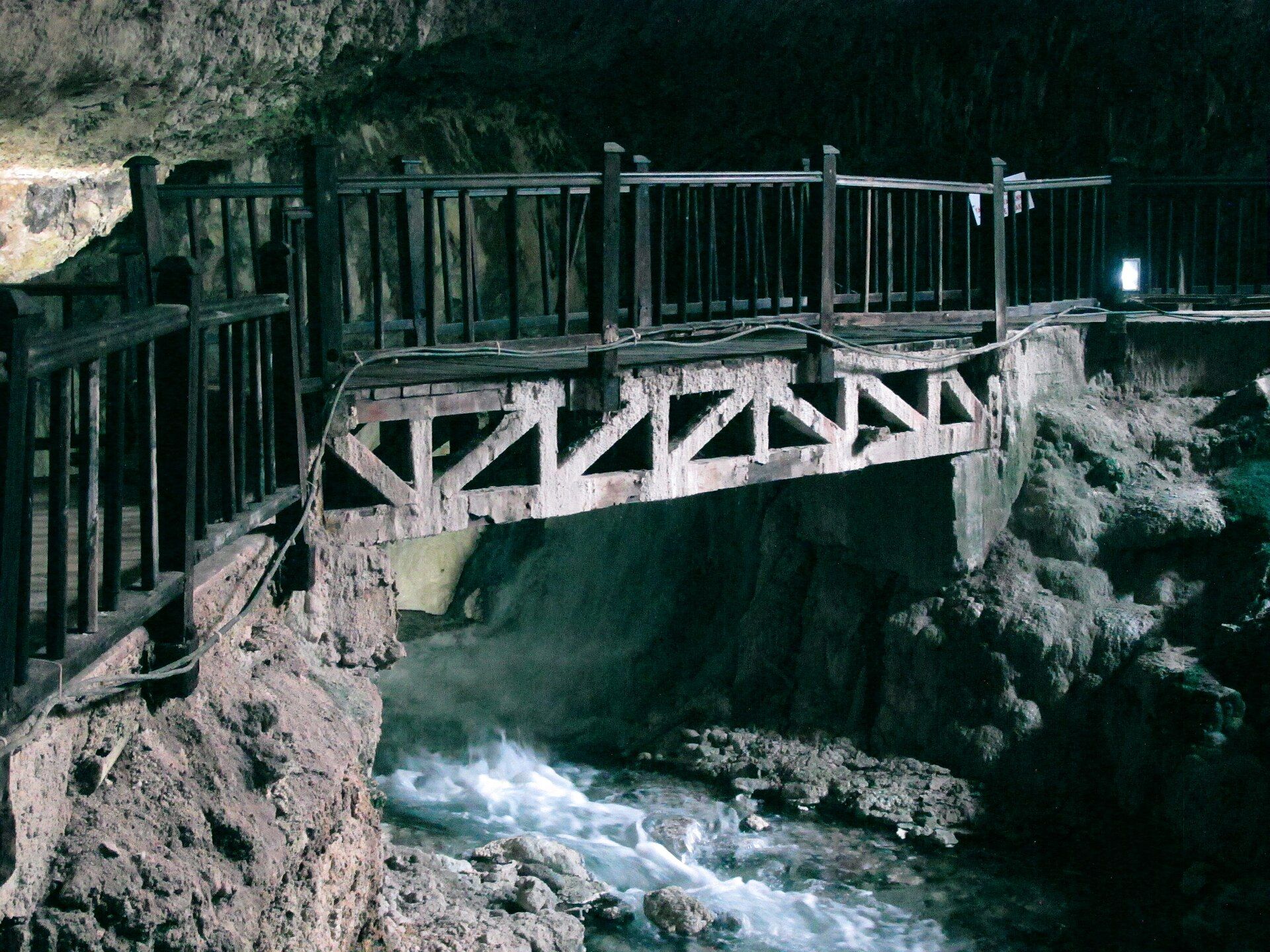
The cave works on the same chemistry as the famous terraces. Warm water rises through the rock carrying dissolved calcium, and as it emerges and meets the air the calcium hardens into travertine, building pale, rippled ledges and small pools. The difference is the setting: here it happens inside a cavern whose roof has partly collapsed, so shafts of daylight fall on the formations and greenery grows around the opening. The result is a strange hybrid, a cave that is also a sunlit grotto, with miniature versions of Pamukkale’s stepped pools inside it.
You descend by walkway into a cool, open-roofed chamber where warm thermal water has laid down little tiers of pale travertine, with clear pools collecting on the ledges, and railed paths guide you around. Two things surprise first-timers. One is the sulphur smell: the thermal water carries hydrogen sulphide, so there is a distinct eggy odour, which is normal for a spring like this and fades as you adjust. The other is the wildlife, with birds and bats using the collapsed roof and their calls echoing off the stone. It is compact, and you see all of it in half an hour, but the novelty of Pamukkale-style terraces underground is the whole draw.
This is a viewing site, not a bathing one. The pools are small and the formations fragile, so you stay on the walkways rather than wading in as you might on the open terraces at Pamukkale. Wear shoes with grip, because the surfaces near the water are damp, and mind children near the railings.
Kaklık is small enough that it has no real best time of day, though midday light falling through the collapsed roof shows the pale terraces at their best. You need nothing special for the visit, and if the sulphur smell bothers you at first, it eases within a few minutes. There are basic facilities at the entrance, and in summer the cool, shaded chamber makes a pleasant contrast to the glare of the open terraces at Pamukkale.
Kaklık sits east of Pamukkale, roughly a 40-minute drive. The natural move is to pair it with Laodicea, the vast ancient city in the same direction, for a half-day loop away from the terraces, ideally under your own steam since the area is thin on public transport. On its own it does not justify a special trip for most people, but bundled with Laodicea it rounds out a good second day.
Kaklık charges its own small entrance fee: unlike Hierapolis and the terraces, which share the single Pamukkale ticket of about €30, this cave is a separate site with a separate gate. Allow 30 to 45 minutes. Be honest about what it is: a quirky, minor geological novelty rather than a headline sight, and the most skippable of the trips near Pamukkale if your time is short. If you have a second day, a car, or a genuine interest in how the terraces form, it is a fun, low-cost stop that few other visitors bother with. It slots into a wider day-trip loop east of the terraces.
It is a small cave about 40 minutes east of Pamukkale that contains its own miniature white travertine terraces and warm thermal pools, formed by the same calcium-rich water as Pamukkale itself, which is why it is nicknamed the 'underground Pamukkale'. The roof has partly collapsed, so daylight falls on the formations. There is a sulphur smell from the thermal water and a small separate entrance fee.
It is built by the same process, calcium-rich water hardening into travertine, but on a tiny scale and inside a cavern rather than across an open mountainside. Where Pamukkale is a vast white slope you walk barefoot, Kaklık is a compact look-don't-touch grotto you tour from walkways in half an hour. Think of it as the same geology in miniature, underground.
No. The pools here are shallow, small and fragile, and the whole cave is a viewing site rather than a bathing one, so you admire it from the walkways. For an actual thermal soak nearby, the Karahayıt spa hotels are the place, not the cave.
It is about a 40-minute drive east, and realistically you want your own car or a tour, because getting here by public transport is slow and fiddly. Most people fold it into the same run as Laodicea, which lies the same way.
It is neither a trap nor a must-see, just a quick, quirky novelty. If you are already heading east or you are curious about how the terraces form, the miniature version inside a cave is a genuine oddity and takes only half an hour. If your days are tight, it is the one nearby trip you can comfortably drop.
There is a small separate entrance fee, and it is not covered by the Pamukkale site ticket. Allow 30 to 45 minutes to see it comfortably.
Attraction
Laodicea, a vast ancient city 15 minutes from Pamukkale and one of the Seven Churches of Revelation: what to see, the biblical link, and how to visit.
Attraction
Pamukkale's white travertine terraces: the can-you-swim rules, the barefoot policy, why some pools are dry, the best time of day, and how to visit.
Attraction
Karahayıt's iron-red mineral springs near Pamukkale: the colourful red terraces, free public access, and the thermal-spa hotels around the town.