
Attraction
Hierapolis Ancient City
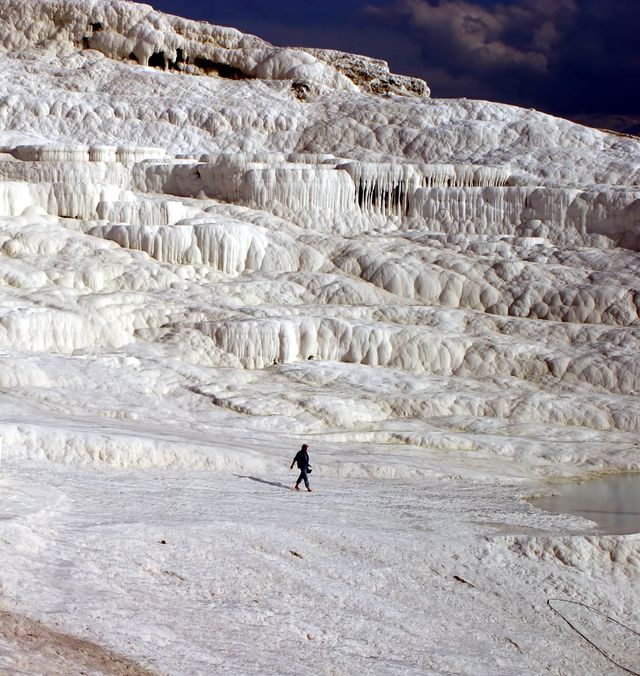
Hierapolis, the Greco-Roman spa city above Pamukkale's terraces: what to see and in what order, the theatre, necropolis and Plutonium, the history, and how to visit.
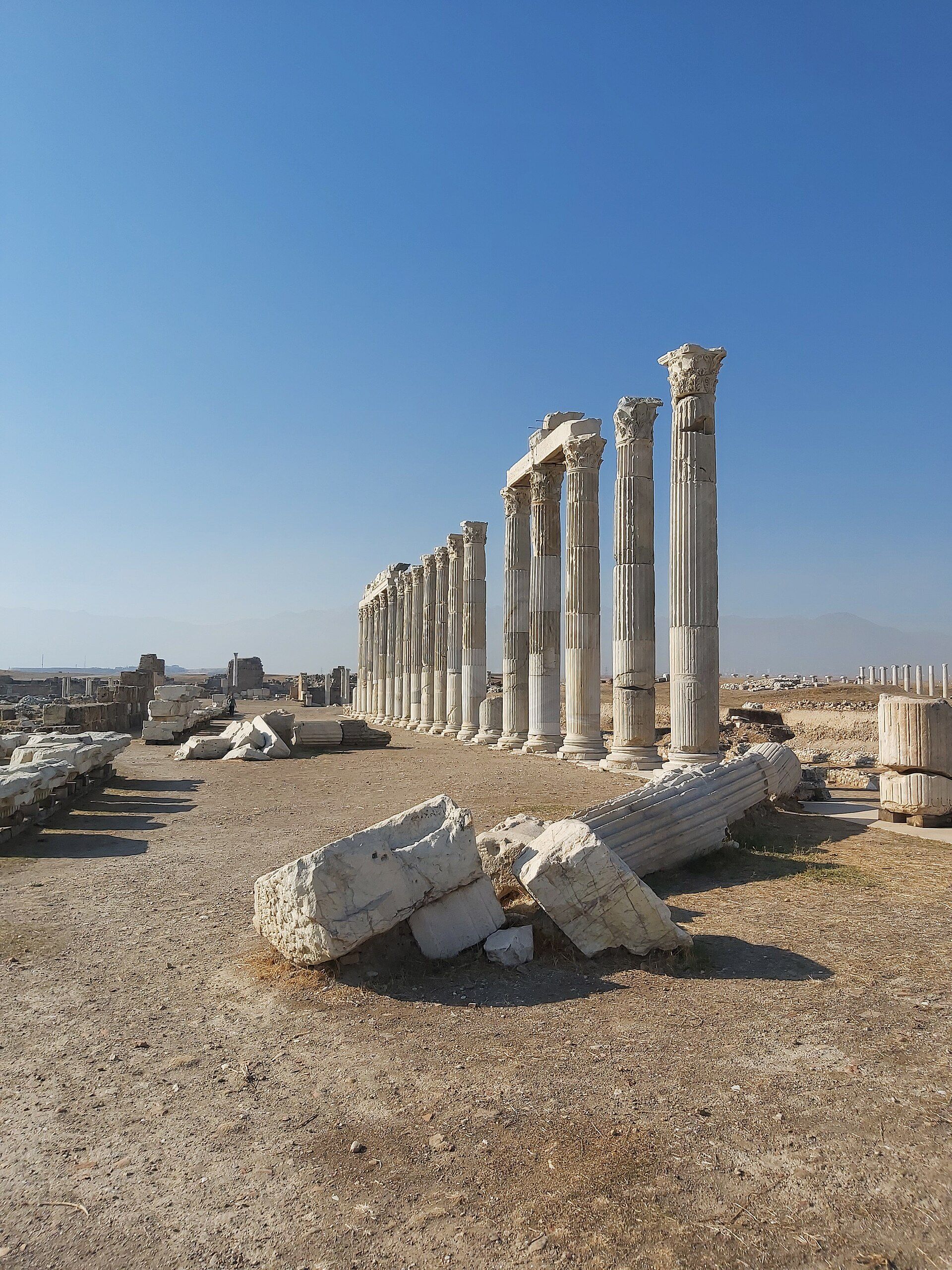
Laodicea, a vast ancient city 15 minutes from Pamukkale and one of the Seven Churches of Revelation: what to see, the biblical link, and how to visit.
Last updated:A short drive south of Pamukkale, on a flat, windswept plateau, lie the ruins of Laodicea on the Lycus, an ancient city so large that archaeologists have been uncovering it for years and are nowhere near finished. Most visitors to Pamukkale never make the trip, which is part of the appeal: you can wander a major Roman city in relative quiet. Google Maps reviewers rate it 4.8 out of 5 (4,969 reviews), higher than many far busier sites.
Laodicea was founded in the 3rd century BC by the Seleucid king Antiochus II, who named it after his wife, Laodice. It grew rich on the trade routes of the Lycus valley, known in antiquity for its textiles and glossy black wool, its banking, and a medical school. That prosperity is woven into how the ruins read today: this was a confident, wealthy city, and it built on a grand scale. Earthquakes battered it repeatedly over the centuries, and after one major quake in the Roman period the ancient sources say the city was rich enough to rebuild without imperial help, a boast that fits its reputation. Laodicea sits on Turkey’s tentative list for UNESCO World Heritage status, and excavation and re-erection work continues season by season, so the site keeps growing. The city was also known in antiquity for an eye ointment, a reminder that it was a centre of medicine as well as money.
Laodicea rewards a proper wander. The centrepiece is Syria Street, a long colonnaded avenue that has been substantially re-erected, so you walk between standing columns and get a real sense of the Roman city rather than a field of rubble. Around it are two theatres cut into the slopes, one of the longest stadiums in Anatolia, monumental gateways, temples, fountains, and a sophisticated water-supply system whose stone pipes, furred with mineral deposits, are still visible. The scale is the thing: paths lead off in every direction and there is always more around the next corner. Start at Syria Street, the re-erected colonnade, and work outward to the theatres and the church; an hour covers the highlights at a brisk pace, while two lets you take in the further-flung stadium and temples, with a fair stretch of open ground between the main features.
For many visitors the draw is biblical. Laodicea was one of the Seven Churches of Revelation, addressed in Revelation 3, and the most quoted of them, the church told it was ‘lukewarm, neither hot nor cold’. That image is usually read as a play on the local water: Laodicea piped its supply in from a distance and it arrived tepid, unlike the hot springs of nearby Hierapolis and the cold streams of the hills. The same passage calls the church ‘rich, and increased with goods’, which chimes with the city’s real prosperity. One of the earliest known purpose-built churches has been excavated and sheltered here, which makes Laodicea a fixture on Seven Churches pilgrimages. Conveniently, it and Hierapolis, another of the seven, sit within a few minutes of each other.
Laodicea is only about 15 minutes from Pamukkale, but it has its own gate and its own ticket: the single Pamukkale site ticket of about €30, which covers the terraces, Hierapolis and its museum, does not extend here. Reaching it is simplest by car or on a tour, since by public transport you would change in Denizli. Give it one to two hours, more if you stop to read the information boards. The site is open and exposed with almost no shade, so bring water, sun protection and shoes that cope with uneven ground, and late afternoon is kinder than midday. It pairs well with Kaklık Cave for a half-day away from the terraces, and it is an easy, rewarding add-on for anyone with a second day or a base in Pamukkale village.
Yes, especially if you like ruins and want somewhere quieter than Hierapolis. Laodicea is one of the largest ancient cities in Turkey, under active excavation, with theatres, a stadium, colonnaded streets and early churches spread across an open plateau. It is about 15 minutes from Pamukkale on a separate ticket.
Laodicea was one of the Seven Churches of Revelation, and the most quoted, the church told it was 'lukewarm, neither hot nor cold'. That line is usually read as a play on the local water, which arrived tepid through long aqueducts, unlike the hot springs of Hierapolis and cold streams nearby. The same passage calls the church 'rich', echoing the city's real wealth. One of the earliest known purpose-built churches has been excavated on the site.
The centrepiece is Syria Street, a long colonnaded avenue that has been substantially re-erected, so you walk between standing columns. Around it are two theatres, one of the longest stadiums in Anatolia, monumental gates, temples, fountains, an early church, and a stone water-supply system still furred with mineral deposits. The scale is the appeal: there is always more around the next corner.
It is only about 15 minutes away and easiest with a car or on a tour; by public transport you would change in Denizli. It has its own gate and car park, separate from Pamukkale.
Give it one to two hours, more if you read the boards. It has its own separate ticket and is not covered by the Pamukkale site ticket. Bring water, sun protection and sturdy shoes, as it is open and exposed.
Hierapolis is grander, sits right on the white terraces and is covered by your Pamukkale ticket, so most people see it first. Laodicea has a larger footprint, far fewer crowds, a strong biblical pull and its own ticket. If you have a second day, both are worth doing, and as two of the Seven Churches they pair naturally.
Attraction
Hierapolis, the Greco-Roman spa city above Pamukkale's terraces: what to see and in what order, the theatre, necropolis and Plutonium, the history, and how to visit.
Attraction
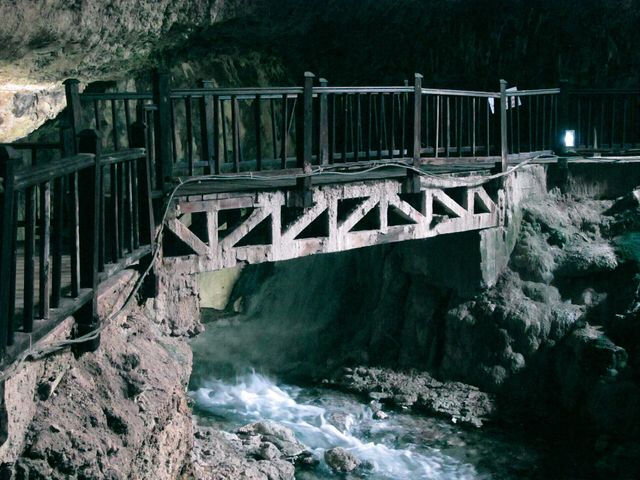
Kaklık Cave near Pamukkale, the 'underground Pamukkale,' with white travertine terraces and warm thermal pools inside a cave: what to see and how to visit.
Attraction
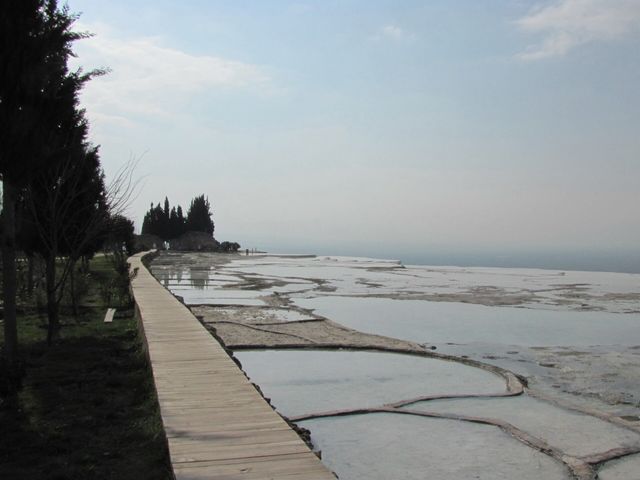
Pamukkale's white travertine terraces: the can-you-swim rules, the barefoot policy, why some pools are dry, the best time of day, and how to visit.