
Day trip
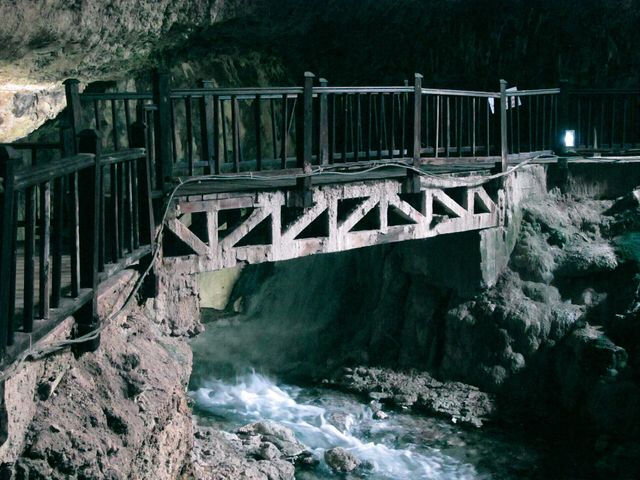
Kaklık Cave
Kaklık Cave near Pamukkale, the 'underground Pamukkale,' with white travertine terraces and warm thermal pools inside a cave: what to see and how to visit.
Pamukkale itself is a one-day site, but the area around it rewards a second day. Within an easy drive are a vast, half-excavated Roman city, a crater lake so white-shored that NASA has studied it, a cave that does Pamukkale’s trick underground, and a set of free red mineral springs. None needs more than half a day, and together they turn a quick tick-box stop into a proper couple of days. Here is what is worth the trip and how to fit it in.
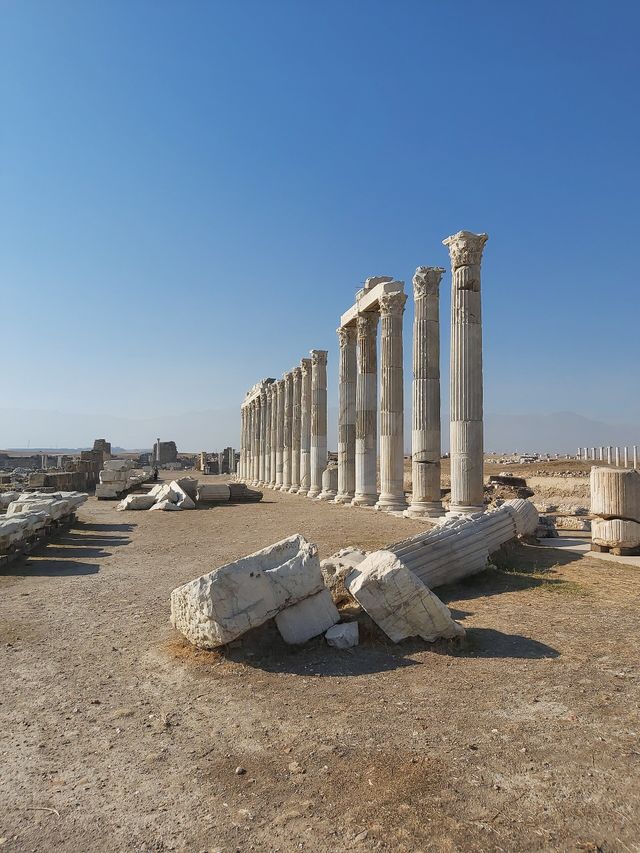
The closest and, for history lovers, the most rewarding. Laodicea is an enormous ancient city under active excavation, one of the Seven Churches named in the Book of Revelation, with two theatres, a re-erected colonnaded street, a long stadium and early churches spread across a windswept plateau. It is far quieter than Hierapolis and only about 15 minutes from Pamukkale, with its own gate and separate ticket. Give it one to two hours.
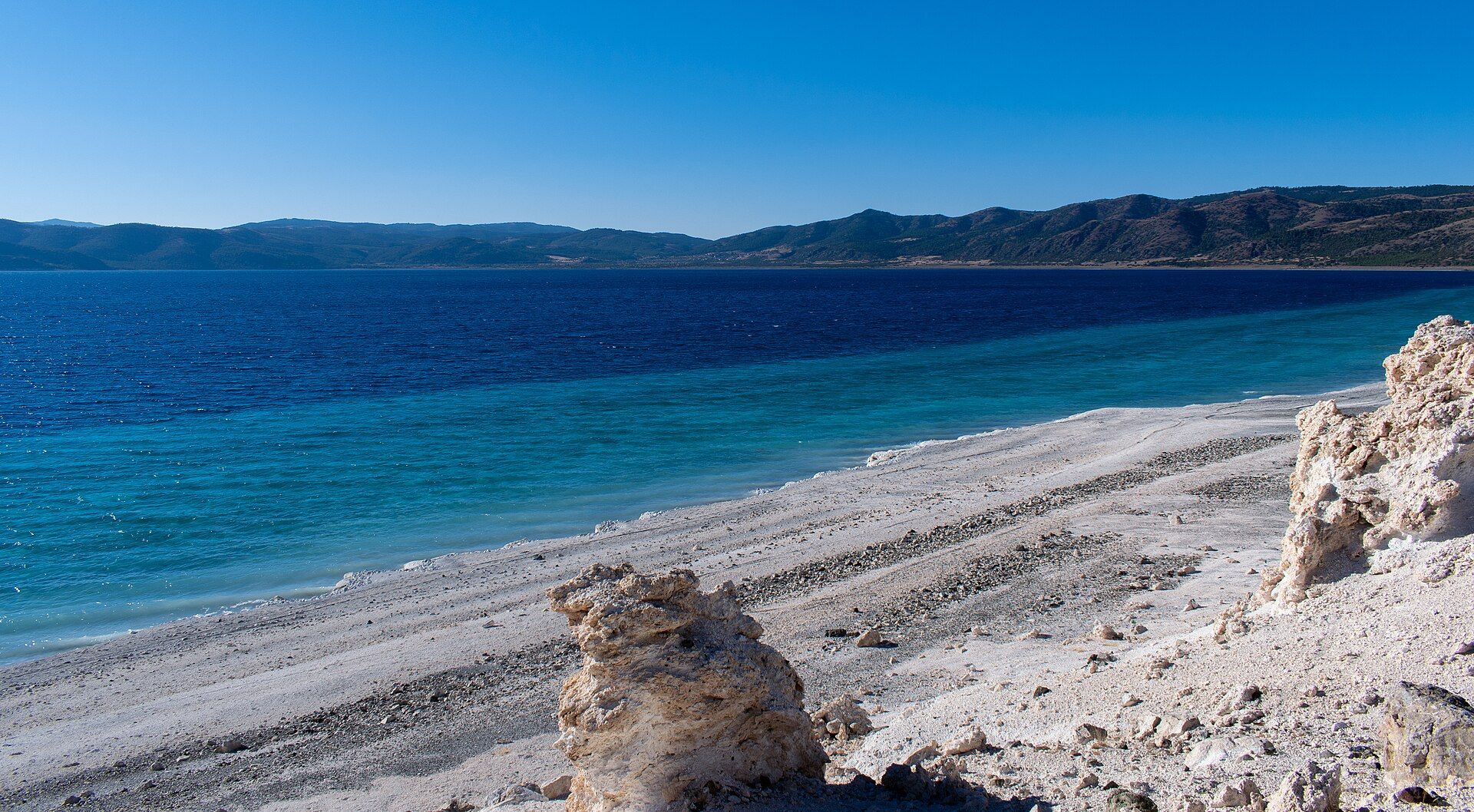
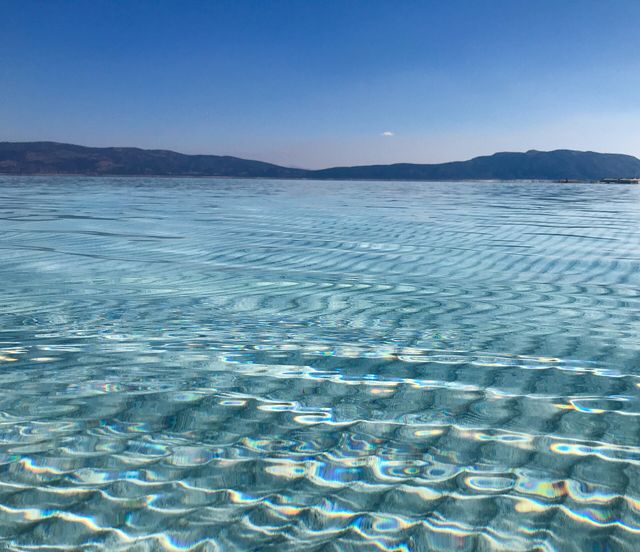
Salda Lake is the scenic splurge: a deep crater lake ringed by brilliant white mineral shores and water that shades from turquoise to deep blue, which is why it gets called ‘Turkey’s Maldives’. You can swim in summer, and it is free to visit. It is the furthest of these trips, about 90 minutes each way, so treat it as a full day rather than a quick add-on, and plan on a car or a tour.
Kaklık Cave is the curiosity: a cave with its own miniature white travertine terraces and warm thermal pools inside, formed by the same process as Pamukkale, hence the nickname ‘underground Pamukkale’. It is small and quick, half an hour or so, on a small separate ticket, and pairs naturally with Laodicea on a half-day loop east of Pamukkale.
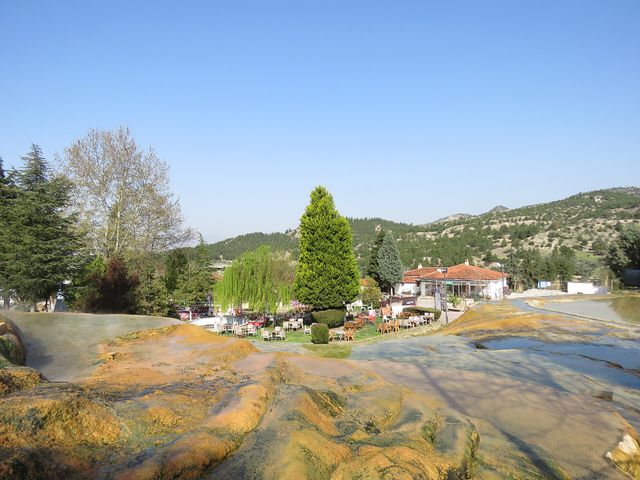
A short hop from Pamukkale, Karahayıt has mineral springs that run rust-red with iron, staining the rock in reds, oranges and ochres, a colourful counterpoint to Pamukkale’s white. The public springs are free, and the town is the area’s thermal-hotel hub, so it doubles as a place for a proper spa soak.
This is the deciding question. With a car you have the run of all four: pair Laodicea and Kaklık Cave into a half-day east, give Salda Lake its own day, and drop into Karahayıt any time. Without a car, Laodicea and Karahayıt are still easy by taxi or a short transfer, and Salda is best done on an organised tour, which many Pamukkale guesthouses and agencies can book for you. Kaklık is the awkward one on public transport, so save it for a car day. If there are a few of you, it is worth pricing a driver or a tour against a day’s car hire.
If you have only one extra day, make it Laodicea for ruins or Salda for scenery, not both, since Salda alone eats a day. With two spare days you can comfortably do a ruins-and-cave half-day plus a full Salda day, with Karahayıt slotted around a terrace afternoon. Sort out your base first, ideally in Pamukkale village or a Karahayıt spa hotel, then build the extra days around whichever of these appeals most. For where everything sits relative to Pamukkale, the map page shows the distances at a glance. None of these should crowd out Pamukkale itself, which stays the main event; treat them as reasons to linger a day longer rather than to rush off the moment you have seen the terraces.
Day trip
Kaklık Cave near Pamukkale, the 'underground Pamukkale,' with white travertine terraces and warm thermal pools inside a cave: what to see and how to visit.
Day trip
Laodicea, a vast ancient city 15 minutes from Pamukkale and one of the Seven Churches of Revelation: what to see, the biblical link, and how to visit.
Day trip
Karahayıt's iron-red mineral springs near Pamukkale: the colourful red terraces, free public access, and the thermal-spa hotels around the town.
Day trip
Lake Salda near Pamukkale, 'Turkey's Maldives,' with brilliant white mineral shores and turquoise water: swimming, the NASA Mars link, and how to get there.