
Hierapolis
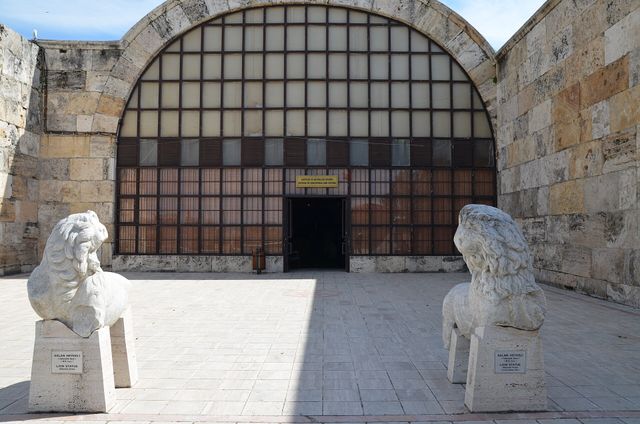
Hierapolis Archaeological Museum
The Hierapolis Archaeological Museum at Pamukkale, Roman sculpture, sarcophagi and theatre reliefs, housed in restored ancient Roman baths.
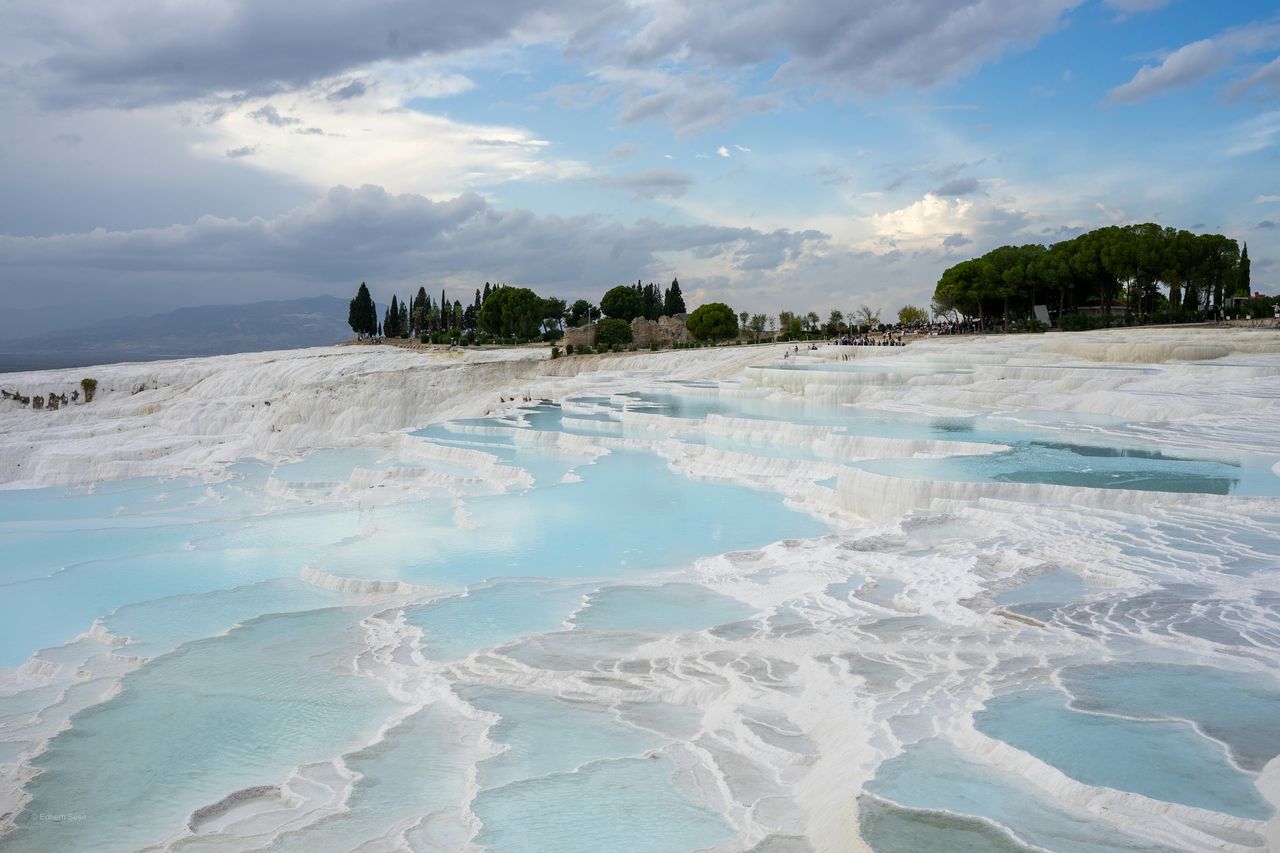
The white terraces, the thermal pools and ancient Hierapolis, planned honestly and kept current.
Photo: Edhem ŞEŞE / Unsplash
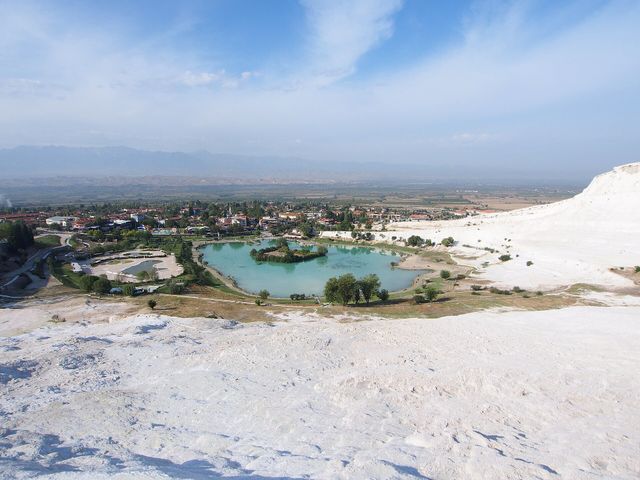
Pamukkale is the white hillside in southwest Turkey that looks, from a distance, like a frozen waterfall or a slope buried in snow. Up close it’s neither. It’s stone. Warm mineral water has been running down this slope for thousands of years, leaving behind chalk-white shelves and shallow turquoise pools that step down the mountainside. The Turkish name means “cotton castle,” and once you’ve seen it in late-afternoon light you understand why people keep reaching for that word.
There’s a second half to the visit that a lot of people don’t expect: right on top of the terraces sit the ruins of Hierapolis, a Greco-Roman spa city with a theatre, a vast necropolis, and a thermal pool full of toppled marble columns you can swim over. The terraces and the ancient city share one ticket and one UNESCO World Heritage listing (joint, since 1988). Most visitors come for the white pools and leave surprised by the ruins.
This guide covers the whole thing: what’s real and what’s overhyped, what it costs, when to go, how to get there from wherever you are, and which parts are worth your limited time. Everything here links out to a deeper page if you want the detail.
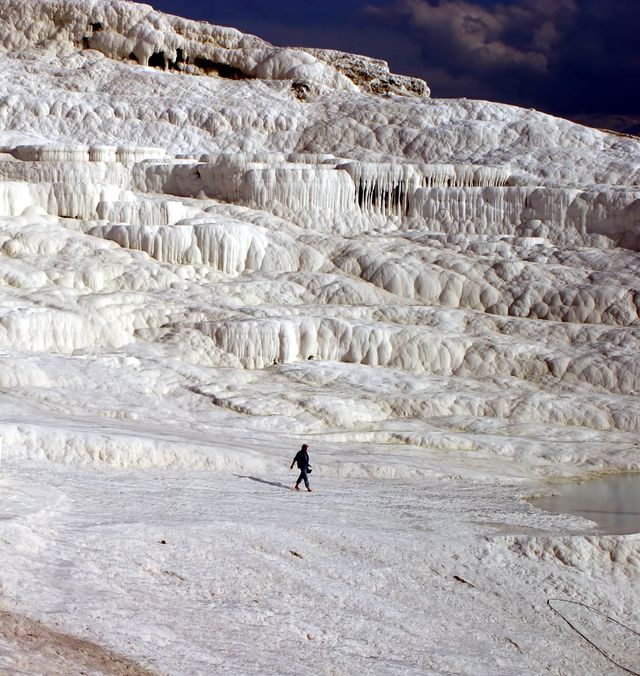
The white “stuff” is travertine, a soft rock made of calcium carbonate. Thermal springs deep in the hill push out water loaded with dissolved calcium. As that water hits the air and cools on the surface, the mineral drops out and hardens into rock, layer over layer, building the terraces you see. It is entirely natural. Nobody carved or poured these pools.
That said, the site you walk today is managed. Decades ago, hotels were built on top of the springs and siphoned off the water for their own pools, and tourists tramped over the terraces in shoes; whole sections went grey and dry. Turkish authorities tore the hotels down, banned shoes, and now rotate the water across different terraces on a schedule so the calcite stays white and keeps growing. The upshot for you: some terraces will be brimming and brilliant, others will be dry and bare on the day you visit, and that’s by design. If you want the honest version of what to expect, read is Pamukkale worth it.
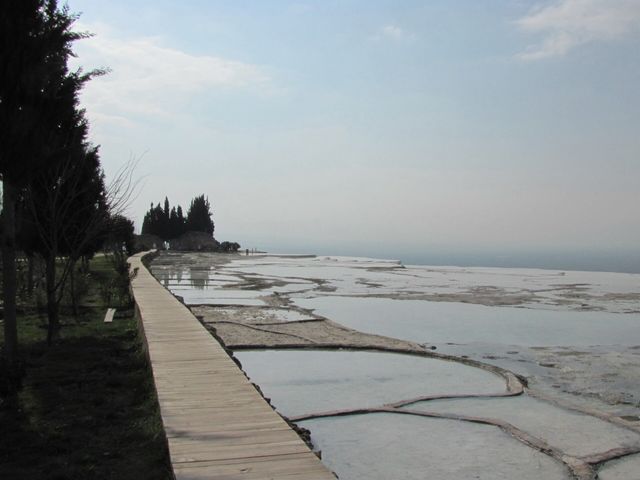
This is the headline act. A single walking path runs barefoot up the white slope (shoes off, carried in hand, because footwear damages the rock and the surface is genuinely slippery). Along the way are the designated pools you’re allowed to wade in, ankle to shin deep in most, warm and milky-blue.
Bring or wear a swimsuit if you want to sit in the water, pack a dry bag for your shoes and phone, and don’t expect deep swimming here, the terrace pools are shallow. Full detail, including which terraces hold water now and the best photo spots, is on the travertine terraces page.
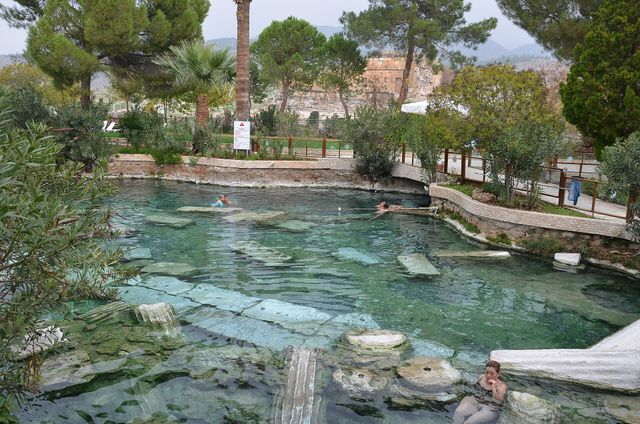
Near the top of the terraces is a separate thermal pool where Roman marble columns lie scattered across the bottom, knocked in by an earthquake centuries ago. You can swim among them in roughly body-temperature water. It’s the one place at Pamukkale you get a proper soak.
Two things to know up front: it costs extra (it is not included in the site ticket), and the “Cleopatra” name is a tourism legend rather than history. Whether the swim is worth the fee depends on the crowd that day. We weigh it up on the Cleopatra’s Antique Pool page.
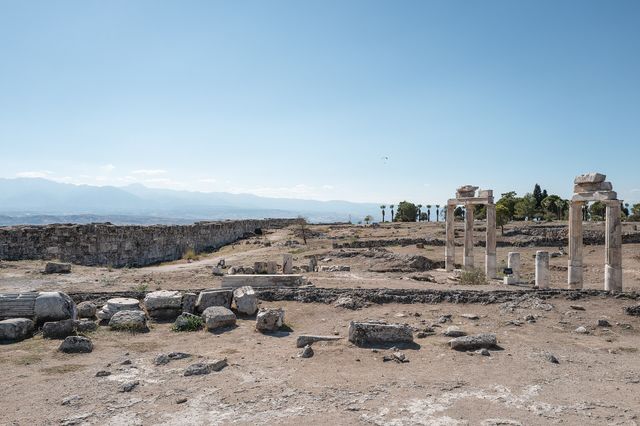
Spread across the top of the hill is Hierapolis, founded around the 2nd century BC and rebuilt by the Romans into a wealthy spa town. Pilgrims came here to take the thermal waters, and many came to die and be buried, which is why the necropolis is one of the largest in Anatolia.
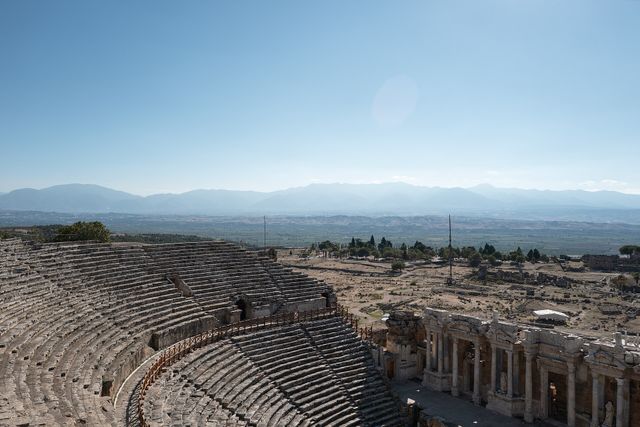
The pieces worth your time: the well-preserved ancient theatre carved into the hillside, the sprawling necropolis, the Ploutonion (a cave the Romans called a gateway to the underworld, because the carbon dioxide seeping out of it killed animals), and the archaeological museum housed in the old Roman baths. Start at the Hierapolis hub for a walking route and what to see in what order.
Spring (April to June) and autumn (September to October) are the sweet spot: warm, dry, and the water looks its best. July and August are hot, often above 35°C, with the terraces baking white under a midday sun. Winter is quiet, cheap, and can be beautiful with low light, though it’s cold and the odd day brings rain or even snow.
The time of day matters more than most people realise. Go at opening or stay for late afternoon. Mid-morning to early afternoon is when the tour buses from the coast unload and the terraces fill up. The light is also flat and harsh at noon and gorgeous near sunset. Full month-by-month breakdown on best time to visit, and sample day plans on itineraries.
One ticket, currently €30 (about $33), covers the travertines, Hierapolis, and the museum. Cleopatra’s Pool is the one paid extra. Hours run roughly 06:30 to 21:00 in summer and 08:00 to 18:00 in winter.
There are three entrances, and which you pick changes your whole day. The South Gate is fastest to the terraces and has the biggest car park (it’s where tour buses go). The Town Gate at the bottom puts you on the prettiest barefoot walk up. The North Gate drops you into Hierapolis first and works well if you want the ruins before the crowds. The full fee table, hours, gate comparison, and how to buy honestly (the government site is Turkish-first and one “official” site is just a reseller) are on the tickets and opening hours page.
The nearest city is Denizli, 18 km away, with the closest airport (Çardak, DNZ) and the main bus station. From Denizli’s otogar, frequent minibuses run up to Pamukkale village in about 30 minutes for a euro or two (around 50 lira). From further afield, you’ve got long-distance buses, domestic flights into Denizli or Izmir, or an organised day tour.
Pamukkale is a long day trip from Istanbul (most people fly), a manageable one from Antalya or Izmir, and a common stop on the Cappadocia–coast route. Pick your starting point on the getting to Pamukkale hub: from Istanbul, from Antalya, from Izmir, from Cappadocia, and more.
You don’t need a tour to see Pamukkale, it’s easy to do independently, but tours make sense if you’re coming a long way for the day and want the transport handled. There’s a comparison on the tours page.
At dawn, hot-air balloons go up over the terraces, a quieter and cheaper alternative to ballooning in Cappadocia; details and operators on the hot-air balloon page. And if you have a second day, the area rewards it: the ruins of Laodicea, the blue-white shore of Salda Lake, Kaklık Cave, and the red-water springs of Karahayıt. Start at the day trips hub.
Most independent visitors sleep in Pamukkale village, a small place right under the terraces with easy walk-up access and a clutch of family-run guesthouses. Karahayıt, a few kilometres north, has the bigger thermal-spa hotels. Denizli is the city option if you want more restaurants and transport links. The trade-offs, by area, are on the where to stay page.
Half a day is enough to walk the terraces and get your photos. A full day lets you add Hierapolis and a swim in Cleopatra’s Pool without rushing. Two days suits anyone who wants to take it slowly, see the ruins properly, and add a nearby site or a balloon flight. If you’re agonising over whether one day is enough, the itineraries page lays out a tight one-day plan and a relaxed two-day one.
Wear or pack a swimsuit and a dry bag, and accept that you’ll be barefoot on wet rock for a while. Start early or come late; the middle of the day is the worst of the crowds and the light. Don’t skip Hierapolis just because you came for the pools, the theatre alone justifies the walk. And keep your expectations calibrated: some terraces will be dry, the famous photos are taken from specific spots, and it can get busy. Go in knowing that and Pamukkale delivers. Go in expecting an empty, brimming-white fairyland all to yourself and you’ll feel sold a story.
For the full reality check, prices, weather, and route planning, follow the links above. Last verified June 2026.
Hierapolis
The Hierapolis Archaeological Museum at Pamukkale, Roman sculpture, sarcophagi and theatre reliefs, housed in restored ancient Roman baths.
Hierapolis
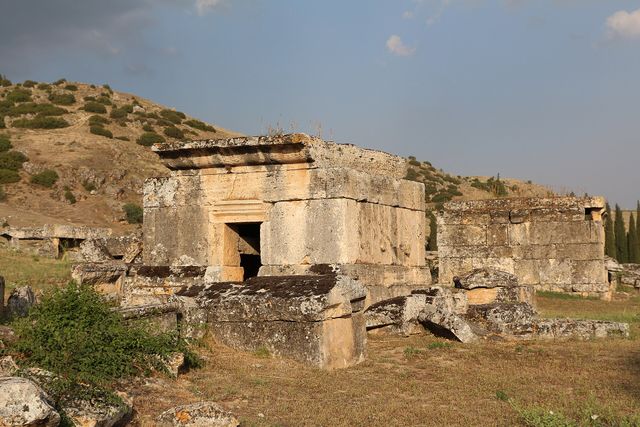
The necropolis of Hierapolis at Pamukkale, one of the largest ancient cemeteries in Anatolia: its tombs, who's buried there, and how to walk it.
Hierapolis
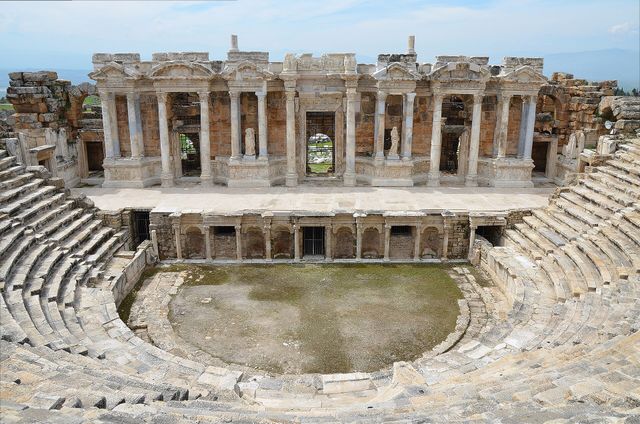
The Roman theatre of Hierapolis above Pamukkale, one of the best-preserved in Turkey: its history, the carved stage, and what to see.
Hierapolis
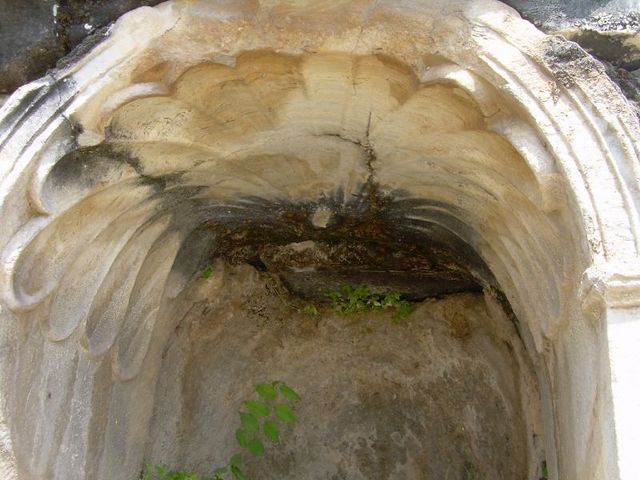
The Ploutonion at Hierapolis, Pamukkale, the ancient 'Gate to Hell' beside the theatre, its deadly gas, the priests' trick, and the legend behind it.
Tours
Honest picks by where you're starting from, and whether you even need a tour.
Attraction
Pamukkale's white travertine terraces: the can-you-swim rules, the barefoot policy, why some pools are dry, the best time of day, and how to visit.
Attraction
Swim among sunken Roman columns at Pamukkale's Cleopatra's Antique Pool: the separate price, what's included, the history behind the name, and whether it's worth it.
Attraction
Hierapolis, the Greco-Roman spa city above Pamukkale's terraces: what to see and in what order, the theatre, necropolis and Plutonium, the history, and how to visit.