Attraction
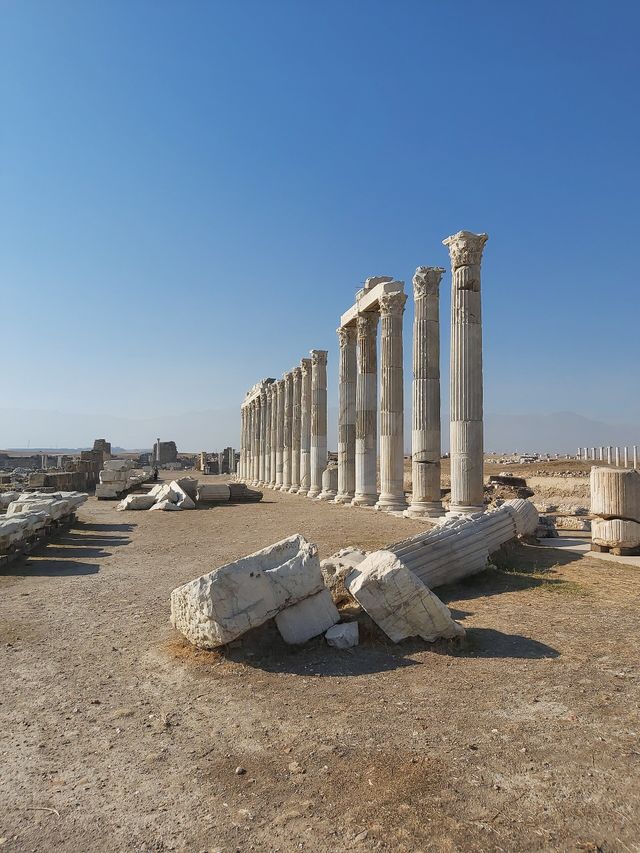
Laodicea Ancient City
Laodicea, a vast ancient city 15 minutes from Pamukkale and one of the Seven Churches of Revelation: what to see, the biblical link, and how to visit.
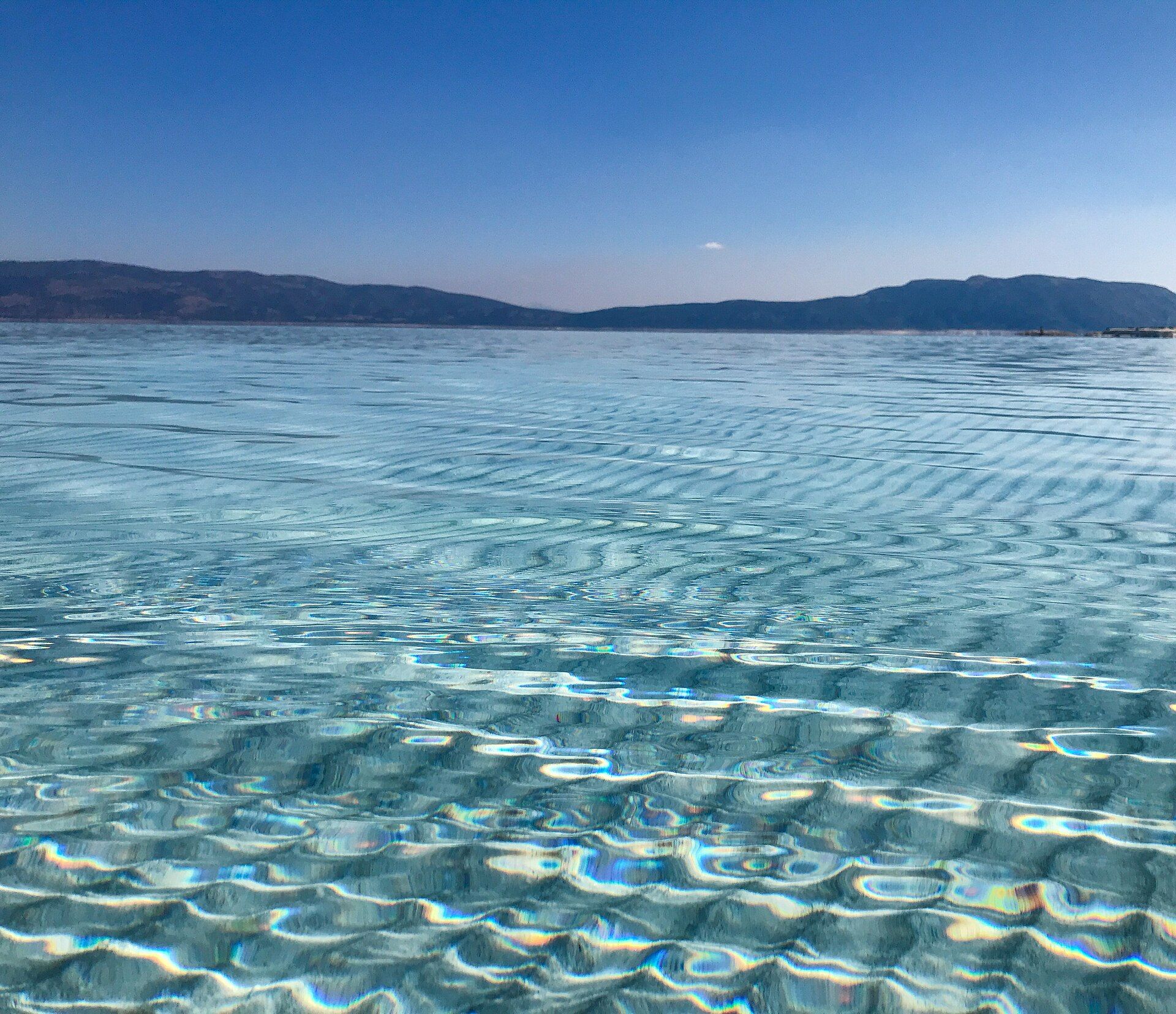
Lake Salda near Pamukkale, 'Turkey's Maldives,' with brilliant white mineral shores and turquoise water: swimming, the NASA Mars link, and how to get there.
Last updated:About 90 minutes southeast of Pamukkale is a lake that looks like it belongs in the tropics. Lake Salda is a deep crater lake fringed with brilliant white mineral beaches, and where that white sediment meets the water the shallows glow a luminous turquoise before the lake drops away to deep blue. The nickname ‘Turkey’s Maldives’ is marketing, but standing on the shore it is easy to see where it came from. Google Maps reviewers rate it 4.5 out of 5 (12,887 reviews).
The pale shores are not ordinary sand. They are hydromagnesite, a soft white magnesium mineral that the lake deposits along its edges. That white sediment reflects light up through the shallow water, which is what produces the striking turquoise band close to shore, while the centre of the lake, one of the deepest in Turkey, reads as a rich blue. The water is clean, alkaline and very cold below the surface. It is a loose cousin of the process that whitens Pamukkale, mineral-rich water building pale deposits, but a different mineral and a completely different landscape.
Salda’s real claim to fame is scientific. The lake’s white magnesium-carbonate shores and the microbial mounds that form in it are considered one of the closest earthly matches to Jezero Crater on Mars, the site where NASA’s Perseverance rover landed to hunt for signs of ancient life. Researchers, including NASA teams, have studied Salda to understand what those Martian minerals might mean and what to look for in the rover’s samples. It is a genuinely rare place: a lake in rural Turkey that scientists treat as a stand-in for another planet.
In summer, Salda is a swimming and picnic spot for Turkish families, and it is lovely for a dip, cool and clear with that glowing turquoise edge. Two honest cautions. First, conservation: the most photogenic bright-white zones have been fenced or restricted at times to stop the soft mineral shore being trampled and carried off, so swim from the permitted public beaches and leave the white sand and mud where they are. Second, safety: there are no lifeguards, the water is cold, and the lake shelves off into deep water quickly, so take normal care and watch children closely.
Salda lies within a protected nature park on the edge of the small town of Yeşilova, and that protection is why it still looks the way it does: development is kept light and the most fragile white shores are managed strictly, so the sediment is not trampled away. It is busiest on summer weekends, when day trippers arrive from across the region, so a weekday or an early start buys you more of that empty, luminous shoreline. For photographs, the whitest sediment and the brightest turquoise are along the western and northern shores, and strong overhead sun makes the colours pop.
Salda is the furthest of the Pamukkale day trips, roughly an hour and a half each way near the town of Yeşilova, so plan a full day rather than a quick detour. Entry is free, unlike Hierapolis and the terraces on their single Pamukkale ticket of about €30, though a seasonal parking fee may apply. Because of the distance it does not combine well with other sights in a single day, so treat it as a day in itself, ideally on a longer stay once you have already seen the terraces and Hierapolis. It rounds out a longer Pamukkale trip rather than a rushed schedule.
Yes, in summer, from the public beach areas, where the clean, cool water and the white mineral shore turn the shallows turquoise. Mind the safety side, though: there are no lifeguards and the lake shelves into deep water fast. The conservation rules on where you can go and what you must leave behind are covered below.
Because of the colour: brilliant white shores of soft mineral sediment meeting clear turquoise-to-deep-blue water, which looks tropical against the surrounding hills. The white is hydromagnesite, a magnesium mineral the lake deposits, and it reflects light up through the shallows to create that Maldives-like glow.
Salda's white magnesium-carbonate shores and the microbial mounds that form in it are considered one of the closest earthly matches to Jezero Crater on Mars, where NASA's Perseverance rover landed to look for signs of ancient life. Researchers, including NASA teams, have studied Salda to understand those Martian minerals and what to look for in the rover's samples.
About an hour and a half each way, southeast near Yeşilova, which makes it the longest of these trips. There is no direct public transport worth the effort, so go by hire car or on an organised day tour, and set aside a full day for it.
If you have a spare day and want a swim or a nature day, yes, the colour is genuinely striking. Because of the distance it does not combine well with other sights, so treat it as a day in itself, best on a longer stay once you have already seen the terraces and Hierapolis.
Summer is swimming season but also the busiest, especially at weekends; late spring and early autumn are quieter and still lovely for the views, if cool for a long dip. The main beach has a car park, cafes, toilets and loungers in season, so you can make a half-day of it, and the drive out through the Burdur hills is a pleasant one in itself. Bright midday sun makes the turquoise shallows glow strongest.
Attraction
Laodicea, a vast ancient city 15 minutes from Pamukkale and one of the Seven Churches of Revelation: what to see, the biblical link, and how to visit.
Attraction
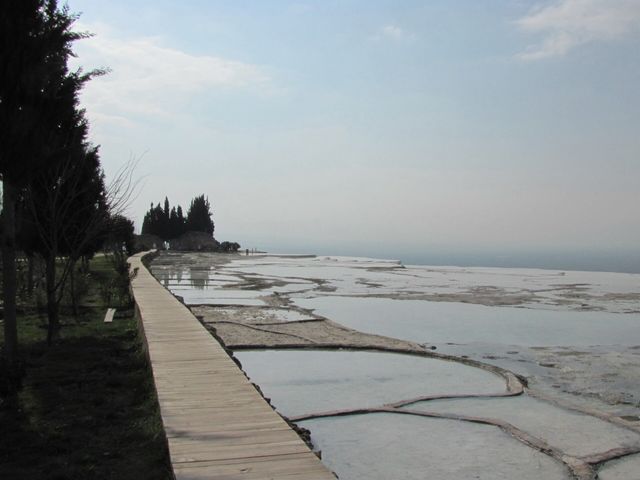
Pamukkale's white travertine terraces: the can-you-swim rules, the barefoot policy, why some pools are dry, the best time of day, and how to visit.
Attraction
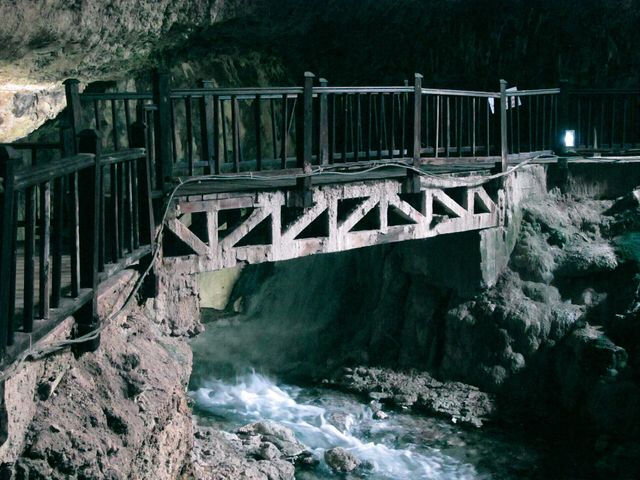
Kaklık Cave near Pamukkale, the 'underground Pamukkale,' with white travertine terraces and warm thermal pools inside a cave: what to see and how to visit.