
Pamukkale in Winter: Worth It? (What to Expect)
Cold air, warm water, empty terraces, and cold feet. Here's who winter works for and who should wait.
Almost nobody visits Pamukkale in winter, which is exactly the argument for going. From December to February the air is cold and a fair share of days are wet, but the thermal water holds around 35°C all year. The terrace pools and Cleopatra’s Pool stay warm whatever the calendar says, so the soak gets better as the air gets colder, the crowds thin out, and room prices fall. The thing to know before you book is about your feet: you walk the travertine barefoot, and wet white rock at 10°C is a different animal from the summer version. Here’s who should come, who shouldn’t, and how to do it.
What winter weather is actually like (Dec to Feb)
Start with the numbers, because most of the appeal hinges on them. January runs about 11°C by day and 2°C at night. February is 12° and 3°. December sits at 12° and 4°. So the days are jacket-and-jumper cold rather than brutal, but the nights bite, and the early morning at the gate is the coldest stretch of your day.
Winter is the wet season here, not just the cold one. Rain runs high across December, January and February. Pamukkale sits inland at moderate elevation, which gives you two faces of winter. You’ll get crisp, clear, sharp-blue days that are wonderful for the contrast soak and the photos. You’ll also get grey, drizzly ones when the white rock looks flat and the steam is the only warm thing in sight. Sun isn’t guaranteed, and no forecast a week out will tell you which kind you’re getting. Build in a buffer day if your schedule allows it.
Daylight and opening hours
Hours shrink in winter. The site runs 08:00 to 18:00 from October 1 to April 1, against the summer window of 06:30 to 21:00. Last entry is typically about an hour before closing, so don’t roll up at 17:00 expecting a full visit.
Less daylight means a tighter plan, but there’s an upside to the later start: 08:00 is a far more civilised wake-up than summer’s 06:30, and you still beat the thin winter crowd by being there when the gates open. Aim for opening anyway. The light is better, the terraces are emptiest, and you bank the warm middle of the day for the soak. The best time to visit page has the full month-by-month table.
The water stays warm year-round
The terrace pools sit at about 35°C and Cleopatra’s near 36°C, and they hold that all year. The air is what changes. In summer you’ve got warm water in warm air, which is pleasant and unremarkable. In winter you’ve got warm water in cold, crisp air, with steam visibly lifting off the surface while your breath fogs. That gap between warm water and cold air is the single best reason to come off-season. The water is identical in July and January; the cold just makes the warmth land harder.
Cleopatra’s Antique Pool in winter
If you do one thing on a winter visit, make it a soak in Cleopatra’s Antique Pool. You float over sunken Roman marble columns in clear, faintly fizzy water near 36°C while the air is cold enough to raise steam off the whole surface. Plenty of travellers reckon winter is the best time of year to do it, and the logic holds: the cold-air contrast peaks and the pool is quiet. In summer the same pool earns a split 4.2 out of 5 on Google (2,742 reviews), largely because by midday it becomes a busy public bath you paid extra to enter. In winter that scrum mostly evaporates.
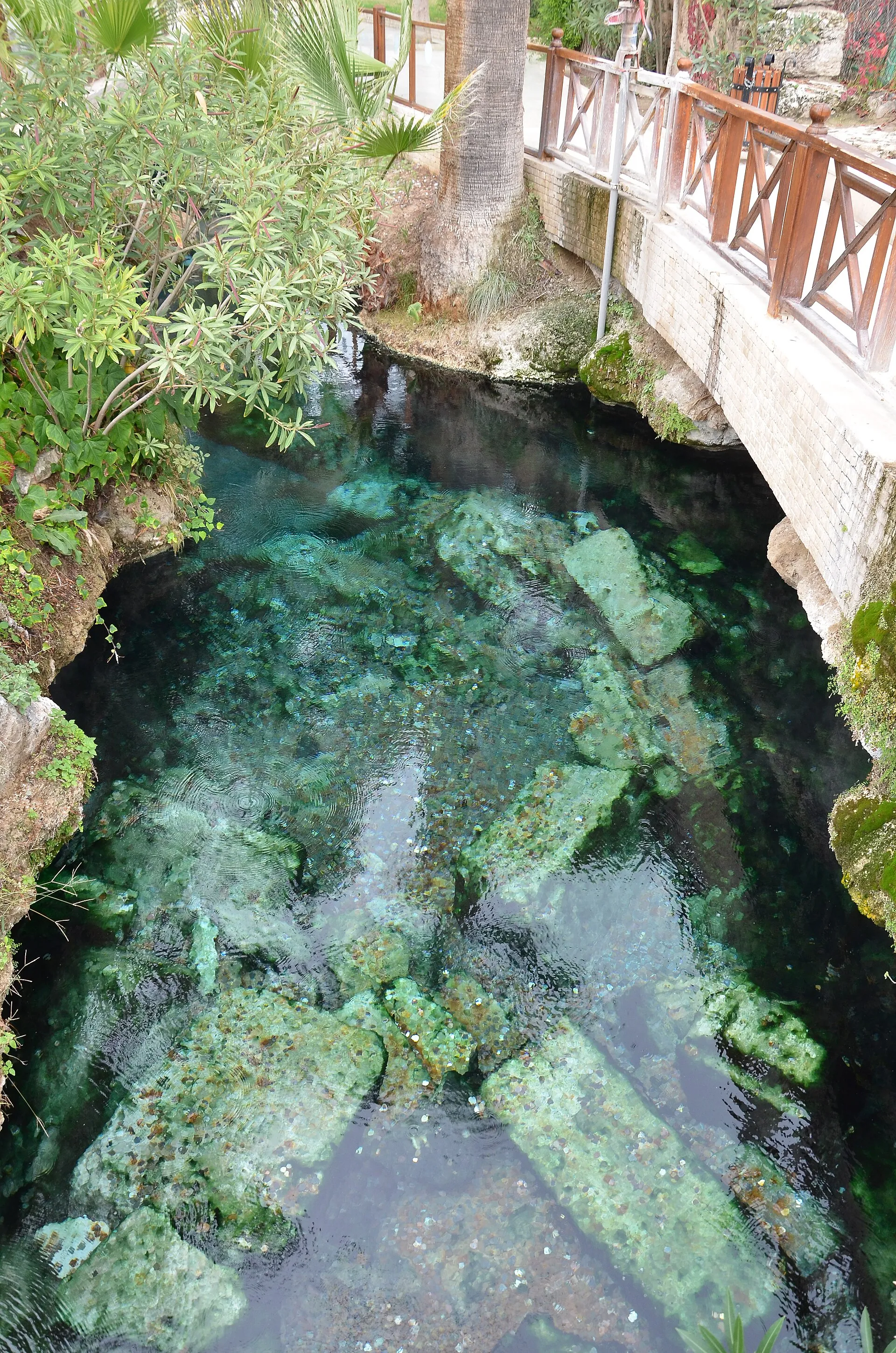
The swim is a separate fee, not part of your site ticket: around €13, paid in Turkish lira at the pool, sometimes less as the lira moves (it’s been quoted as low as about €6). That buys you roughly two hours in the water. The pool reopened in 2026 after a renovation that added changing rooms, rest areas and a cafe, and that indoor shelter matters more in winter than in any other season: getting changed under a roof beats stripping off beside a cold pool. One honest gap: no source confirms whether the pool keeps the site’s 08:00 to 18:00 hours in winter, so check at the gate rather than assume it’s open the moment you arrive.
The terrace pools
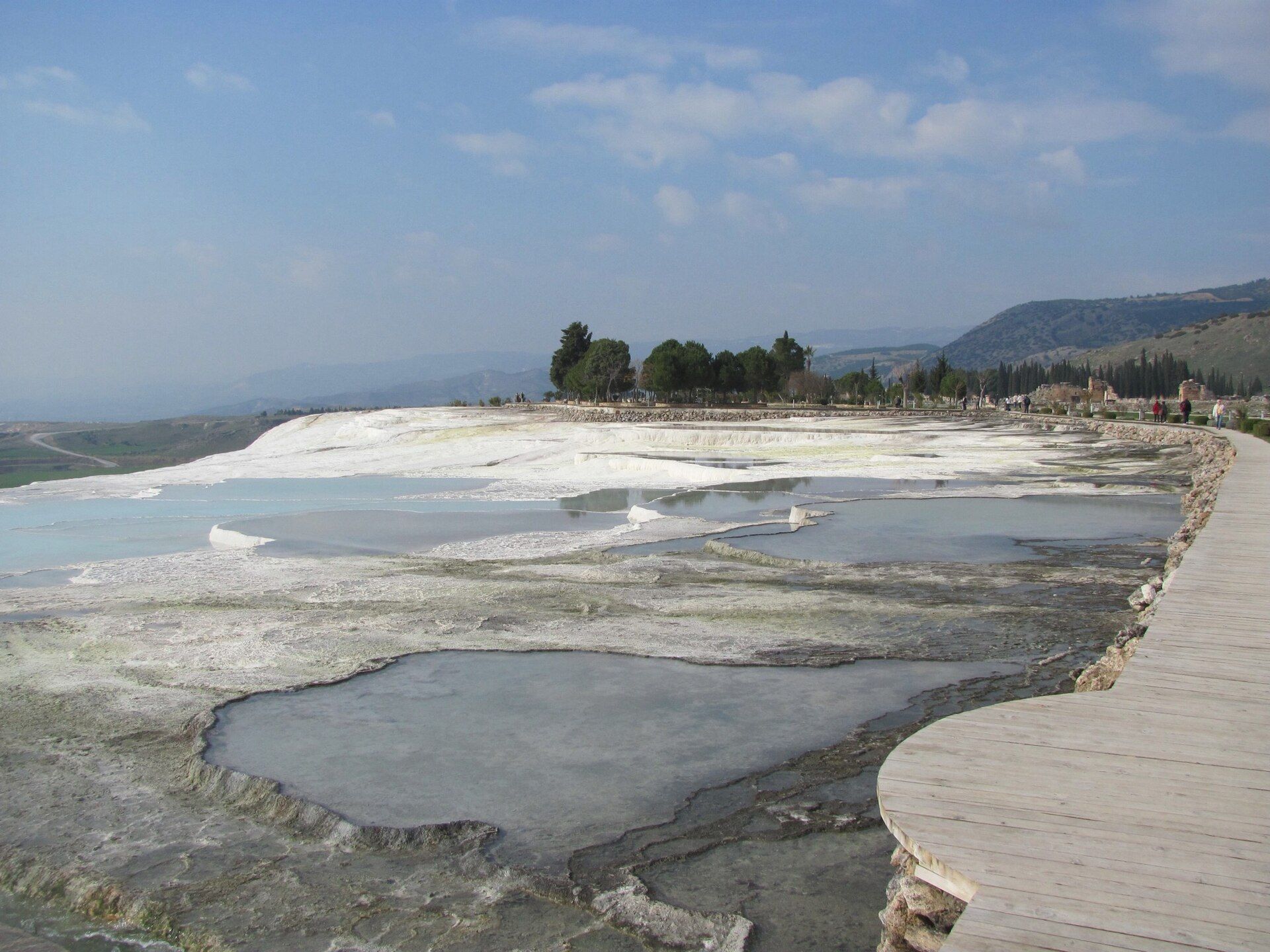
The wading pools on the travertine are warm too, but set your expectations. Most are shallow, ankle to shin deep, so this is standing and wading in warm water, not swimming. And which pools hold water changes from one day to the next: the site deliberately steers the warm flow around the slope to let each stretch rebuild, so on your visit some basins will sit empty and pale while others brim. Whatever the day, a live section is running somewhere, so make for the wet rock. In winter the warm shallow water on cold feet feels great for about a minute, which leads straight to the one real downside of the season. There’s more on the travertine terraces and why some sit dry on the dedicated page.
The one thing that’s genuinely harder in winter: barefoot on cold, wet rock
Here’s the part worth knowing before you book. Walking the travertine barefoot is mandatory year-round. Shoes come off, you carry them, no exceptions, because footwear scratches and stains the soft rock. That’s a careful, pleasant amble in May. In January, with the rock wet and the air at 10°C, bare feet on cold stone is a different experience. It isn’t dangerous, but it’s bracing, and the cold creeps up from your soles fast.
The fix is logistics, not toughness. Do the barefoot stretch briskly rather than dawdling, and have warm, dry socks and proper shoes ready to pull on the second you step off the rock. A small towel for your feet earns its place. Plan the order of your day so you’re not walking a long cold stretch barefoot right after the soak, when wet, cold feet are at their worst. A dry bag stays essential: you want both hands free for balance on slick rock, with your shoes, socks and phone stowed.
Your gate choice matters more in winter than at any other time, because it sets how long your feet are exposed. The Town Gate puts you at the bottom of the village for the prettiest approach, a 20 to 30 minute barefoot walk up the white slope. That’s the best way to experience the terraces, but it’s also the most time on cold wet stone. The South Gate sits up top with the largest car park and a short, mostly flat approach, which means the least walking and the least barefoot exposure. In summer the Town Gate climb is an easy yes. In winter, weigh it honestly: prettier and colder underfoot, against flatter and warmer. For more on the gates, see the tickets and gates page, and for the full kit, what to wear and pack for the barefoot walk.
Crowds, prices and the off-season math
November through March is genuinely quiet, the kind of quiet where you can have whole terraces to yourself on a winter weekday morning. Set that against July midday, when coaches from Antalya, Izmir, Marmaris and the cruise ports all converge on the same path at once. If you hate crowds or you shoot photos, winter hands you the site almost empty, and that alone is worth a cold morning.
Prices follow the crowds down. Here’s roughly what a winter day costs. The single Hierapolis-Pamukkale site ticket is €30 (about $33), which covers the terraces, Hierapolis and the museum. Add about €13 for the Cleopatra’s swim if you want it. Then the bed: village rooms that run roughly €60 to €170 a night in the warmer months drop noticeably off-season, so winter is the value season for a room in Pamukkale village. At the comfortable end, places like Paradise House (9.2/10 on Booking.com, 1,070 reviews) and Akapella (9.1/10) sit around €100 to €170 in peak and less in winter; simpler spots like Hotel Pamukkale and Aspawa start nearer €60 to €80. So a no-frills winter day, entry plus a budget bed, lands close to €90, with the swim optional on top.
The honest trade against all that is daylight. You’ve got the 08:00 to 18:00 window and a low winter sun, so you can’t dawdle. The good news is you don’t need to: one full day covers the terraces, Hierapolis and a swim comfortably in winter, especially with the thinner crowds. Start at opening, plan it tight, and you won’t feel rushed.
Snow on the cotton castle
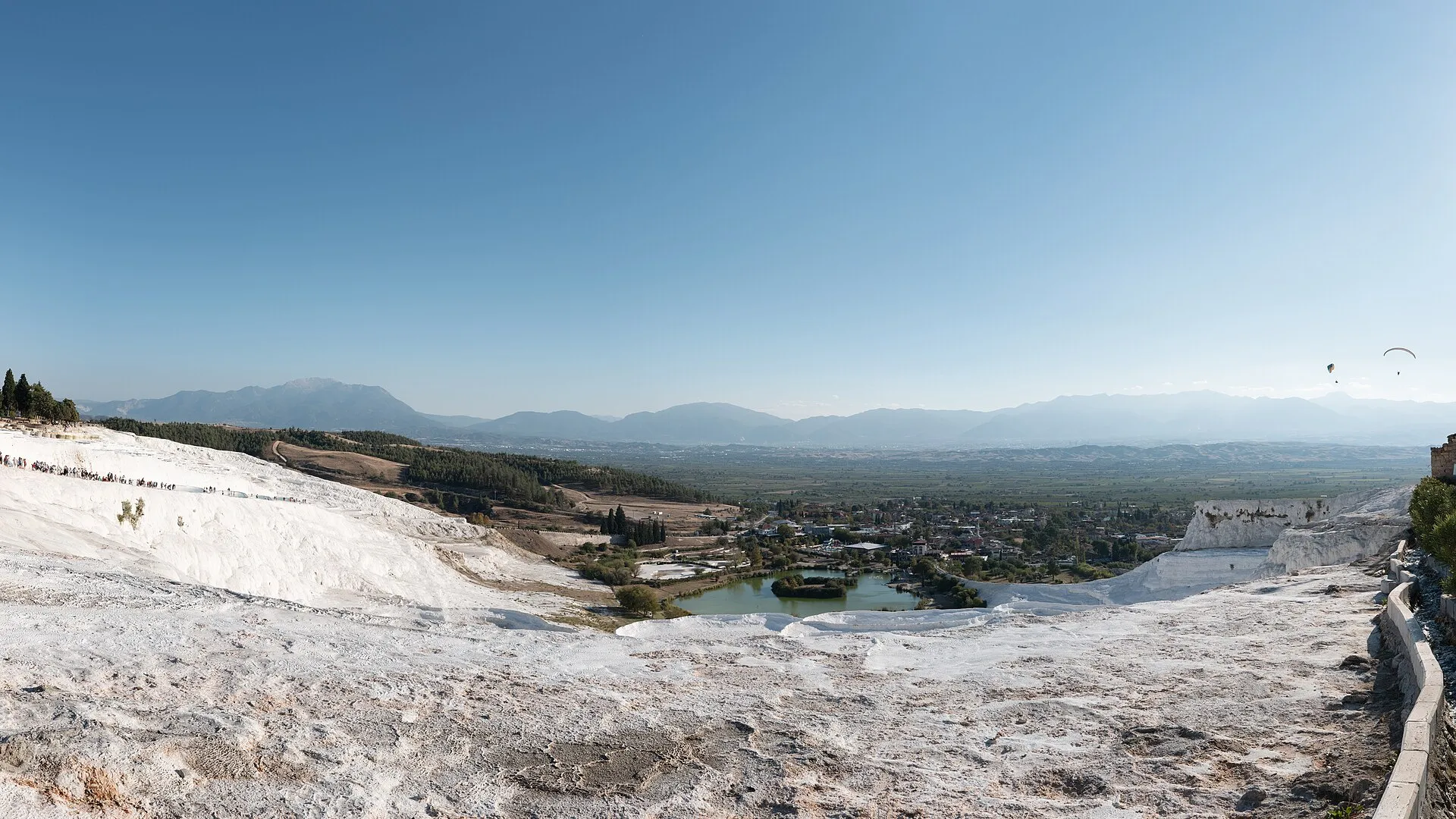
Yes, it can snow, and snow settling on the terraces gives you white on white, one of the most photographed scenes in Turkey when it happens. But be realistic: snow that actually settles on the travertine is rare, and the odds on any given day are low. Most winter days are simply cold and clear, or cold and wet. Don’t book a trip around the chance of snow, because you’ll probably be disappointed and you’ll have planned for the wrong thing. If you happen to be in Pamukkale right after a cold snap, that’s your cue: get up and be at the gate for opening, because it won’t last and the light on fresh snow goes fast.
What to wear and bring in winter
Pack for cold and wet, then add the swim layer underneath. Warm insulating layers and a waterproof shell come first, because this is the rainy season and a grey day will catch you out. Wear your swimsuit under your clothes so you’re not changing in the cold, though the renovated Cleopatra’s now has indoor changing rooms if you’d rather wait. Bring a packable towel, plus a separate small one just for your feet.
The winter-specific items earn their place: warm dry socks and proper shoes to put on the instant you leave the travertine, and a small dry bag for your shoes and phone during the barefoot stretch. Add gloves and a hat for the cold morning at the gate. A lens cloth still matters, because the mineral mist coats everything regardless of season.
What you can leave behind from the summer list: the urgency around sun protection eases off, so you’re not slathering on sunscreen or hunting for shade. The white rock still throws light back hard on a clear day, so pack sunglasses, but the rest of the sun kit can stay home. The full season-by-season list is on the barefoot rules and what to wear page.
What to skip or rethink in winter
Two things deserve a second look off-season.
Balloon flights run less reliably in winter weather, with frequent cancellations for wind and cloud. At roughly €100 to €180 per person for a sunrise-only flight, that’s a real chunk of budget riding on conditions that may not cooperate. If a balloon is a genuine bucket-list item, book it for an early day in your trip so you’ve got room to reschedule, and treat it as a maybe rather than a fixed plan. If it’s a must-have, you may be better off saving it for Cappadocia or a warmer season. The full rundown is on the hot air balloon page.
The smarter winter play, if you mostly want to soak without much cold exposure, is to base yourself at one of Karahayıt’s thermal-spa hotels, about 5 km north. These are larger, often all-inclusive resorts built around their own heated thermal pools, fed by the town’s iron-red mineral springs, so you can soak at the hotel itself with minimal time out in the cold. It’s a strong winter option for anyone who wants the thermal-water experience but isn’t sold on a cold barefoot morning. See the red springs at Karahayıt for what the town itself is like.
Getting there in winter
Day trips still run year-round, just on shorter daylight, so the old “be on the terraces at dawn” advice becomes an 08:00 start. From the coast the logistics don’t change much with the season: Antalya is the most popular day-trip origin, a 3.5 to 4 hour bus to Denizli, hourly through the day, then the frequent minibus to the village. Izmir is a similar 3.5 to 4 hours, often paired with Ephesus. Note the winter daylight squeeze, though: a long coach day that already only gives you three or four hours on site now lands you there well after opening and pulls you out before the best late light, so winter is when an overnight in the village pays off most.
If you’re basing nearby, the village still beats Denizli (about 18 km, a 30-minute drive) for the early start, because you can walk to the Town Gate and be there when it opens rather than driving in cold and dark. Denizli is the all-weather hub if your plans hinge on transport: it has the otogar, the train line, and the nearest airport at Çardak. The routes, transfers and day-trip options are all on the getting there hub.
Is Pamukkale worth it in winter?
It comes down to who you are.
If you’re on a budget or you can’t stand crowds, yes, easily. You get empty terraces, cheap rooms and the warm soak at its most atmospheric, which is a good deal by any measure.
If you’re a photographer, yes, for the solitude and the slim chance of snow, as long as you accept the grey-day risk and the short light. Bring patience and a buffer day.
If you want guaranteed warm, dry weather, long days or a reliable balloon flight, no. Go in April to June or September to October instead, when the air matches the water.
And if Pamukkale is one stop on a multi-stop winter Turkey trip, yes, it slots in well, and the cold-air-warm-water soak breaks up a run of ruins and museums.
The short version: the water is always warm. Whether winter works for you comes down to how much you mind cold feet and short days in exchange for empty terraces and a steaming soak. If that trade sounds good, go. For the wider call, see is Pamukkale worth it and the best time to visit.
FAQ
Is Pamukkale ever closed in winter? No. The site stays open through winter on the 08:00 to 18:00 schedule, seven days a week, including most public holidays. Cleopatra’s Pool can keep different hours or close for short maintenance windows, and no source confirms its exact winter schedule, so confirm that one at the gate if the swim is the reason you came.
Can I do Pamukkale as a winter day trip from Antalya? Yes, but mind the daylight. It’s a 3.5 to 4 hour bus each way, or a guided day tour, and that already leaves only three or four hours on site. With winter’s 08:00 to 18:00 window you arrive after opening and leave before the best late light, so the terraces are never as empty as they’d be for someone staying in the village. If you can, build in an overnight instead. The getting there hub has the full origin-by-origin breakdown.
How much does a winter day at Pamukkale actually cost? The site ticket is €30 (about $33) and covers the terraces, Hierapolis and the museum. A swim in Cleopatra’s Pool is an optional €13 on top, paid in lira at the pool. Village rooms run from roughly €60 a night for a simple guesthouse in the off-season. So a budget winter day, entry plus a basic bed, sits near €90, before food and the optional swim. Prices are set in lira, so the euro figure moves with the exchange rate.
Will the terrace pools be drained when I visit? Some will be, yes, and that’s deliberate all year, not a winter quirk. Managers cycle the warm water from one part of the slope to the next so every section gets its turn to rebuild, which leaves a few basins empty and grey whenever you come. A watered stretch is always open somewhere, so ask at the gate or head for the running water. Winter doesn’t change this, but the rain can make even the dry sections look duller than the photos.
Is Hierapolis open and walkable in winter? Yes. The Roman ruins, the theatre and the archaeological museum are all included in your €30 ticket and stay open in winter. You wear normal shoes up there, since the barefoot rule is only for the white terraces, so the cold is far less of a factor than on the travertine. It’s a good cold-weather move: more time in shoes, less time barefoot. Allow a couple of hours alongside the terraces and a swim.
Are the pools warm enough to swim in winter? Yes. The thermal water stays warm regardless of the air temperature: the terrace pools around 35°C and Cleopatra’s Pool near 36°C, roughly body temperature, all year. The cold air actually makes the warmth more noticeable, with steam lifting off the surface. The discomfort in winter isn’t the water, it’s the changing and the barefoot walk to and from it, both of which a bit of planning solves.
Does it snow in Pamukkale? Occasionally. Pamukkale sits inland at moderate elevation, so winter brings cold days and the odd snowfall, but snow that settles on the terraces is fairly rare. When it does, white snow on white travertine is a striking, much-photographed sight. Most winter days are simply cold and clear, or cold and wet, rather than snowy. Don’t plan a trip around it.
Frequently asked questions
Is Pamukkale ever closed in winter?
No. The site stays open through winter on the 08:00 to 18:00 schedule, seven days a week, including most public holidays. Cleopatra's Pool can keep different hours or close for short maintenance windows, and no source confirms its exact winter schedule, so confirm that one at the gate if the swim is the reason you came.
Can I do Pamukkale as a winter day trip from Antalya?
Yes, but mind the daylight. It's a 3.5 to 4 hour bus each way, or a guided day tour, and that already leaves only three or four hours on site. With winter's 08:00 to 18:00 window you arrive after opening and leave before the best late light, so the terraces are never as empty as they'd be for someone staying in the village. If you can, build in an overnight instead.
How much does a winter day at Pamukkale actually cost?
The site ticket is €30 (about $33) and covers the terraces, Hierapolis and the museum. A swim in Cleopatra's Pool is an optional €13 on top, paid in lira at the pool. Village rooms run from roughly €60 a night for a simple guesthouse in the off-season. So a budget winter day, entry plus a basic bed, sits near €90, before food and the optional swim. Prices are set in lira, so the euro figure moves with the exchange rate.
Will the terrace pools be drained when I visit?
Some will be, yes, and that's deliberate all year, not a winter quirk. Managers cycle the warm water from one part of the slope to the next so every section gets its turn to rebuild, which leaves a few basins empty and grey whenever you come. A watered stretch is always open somewhere, so ask at the gate or head for the running water.
Is Hierapolis open and walkable in winter?
Yes. The Roman ruins, the theatre and the archaeological museum are all included in your €30 ticket and stay open in winter. You wear normal shoes up there, since the barefoot rule is only for the white terraces, so the cold is far less of a factor than on the travertine. Allow a couple of hours alongside the terraces and a swim.
Are the pools warm enough to swim in winter?
Yes. The thermal water stays warm regardless of the air temperature: the terrace pools around 35°C and Cleopatra's Pool near 36°C, roughly body temperature, all year. The cold air actually makes the warmth more noticeable, with steam lifting off the surface. The discomfort in winter isn't the water, it's the changing and the barefoot walk to and from it, both of which a bit of planning solves.
Does it snow in Pamukkale?
Occasionally. Pamukkale sits inland at moderate elevation, so winter brings cold days and the odd snowfall, but snow that settles on the terraces is fairly rare. When it does, white snow on white travertine is a striking, much-photographed sight. Most winter days are simply cold and clear, or cold and wet, rather than snowy. Don't plan a trip around it.
Where to eat nearby
-
Tıkır Grill House
The area's heavyweight: by far the most-reviewed restaurant around Pamukkale and still highly rated, which is rare since popularity usually drags scores down. A Turkish grill at heart, so come for kebabs and grilled meat. That rating-on-huge-volume pattern suggests it earns its popularity despite sitting near the site, rather than trading on location.
-
Hiera Restaurant
The village's special-occasion table, and reservation-only, so it's a planned dinner rather than a walk-in. A more refined sit-down meal with prices to match. Book ahead in peak season.
-
Osmanlı Restaurant
One of the most-reviewed places in the village, which points to a dependable, unpretentious all-rounder. Leans to Turkish meat dishes and kebabs, easy walk-in, mid-range. A sensible default for a good Turkish meal without deciding too hard.
Related reading
Blog
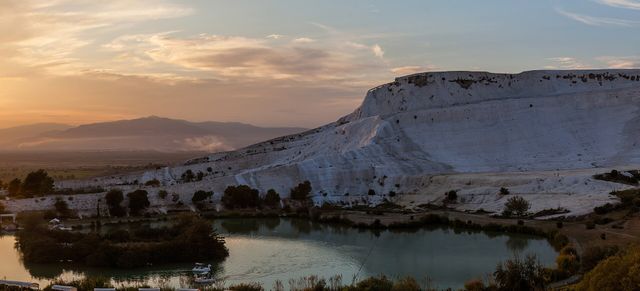
48 Hours in Pamukkale: A Two-Day Itinerary & Photo Diary
Most people rush Pamukkale in three hours. Give it two days and it hands you the terraces twice, at the only two times of day worth photographing them.
Blog
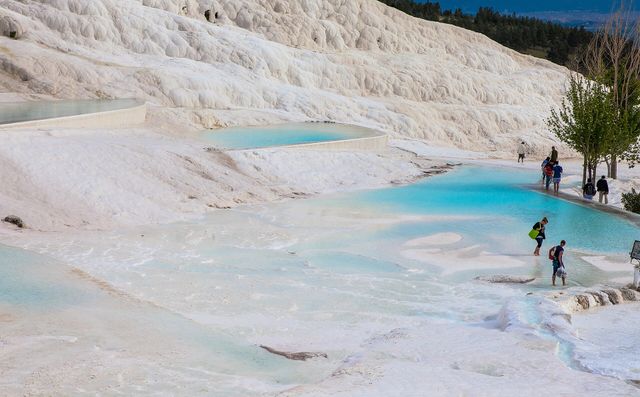
Pamukkale Barefoot Rules & What to Wear (2026)
Shoes off, swimsuit on, dry bag packed. The simple kit that turns the barefoot walk into the best part of the day.
Blog
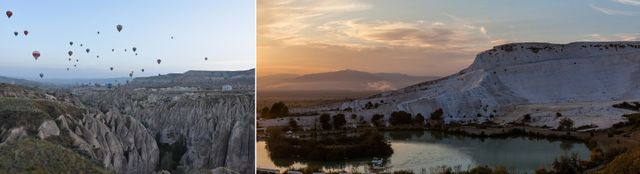
Pamukkale vs Cappadocia: Which Should You Choose? (2026)
Two very different trips. Here's how to pick, and how to do both.